

Pregnancy brings many changes, including shifts in your oral health. Hormones can increase your risk of gum disease and sensitivity. Taking care of your teeth and gums during pregnancy supports both your health and your baby’s well-being. With the right approach, you can maintain a healthy smile throughout every trimester.
How Pregnancy Affects Your Oral Health
Hormonal changes during pregnancy can make your gums more sensitive to plaque. This often leads to pregnancy gingivitis, which causes redness, swelling, and bleeding.
Some women also experience increased tooth sensitivity or dry mouth. Morning sickness can expose teeth to stomach acid, which weakens enamel over time.
If left untreated, gum disease can progress and potentially affect overall health. Recognizing these changes early helps you take the right steps to protect your smile.
Safe Dental Visits and Treatments
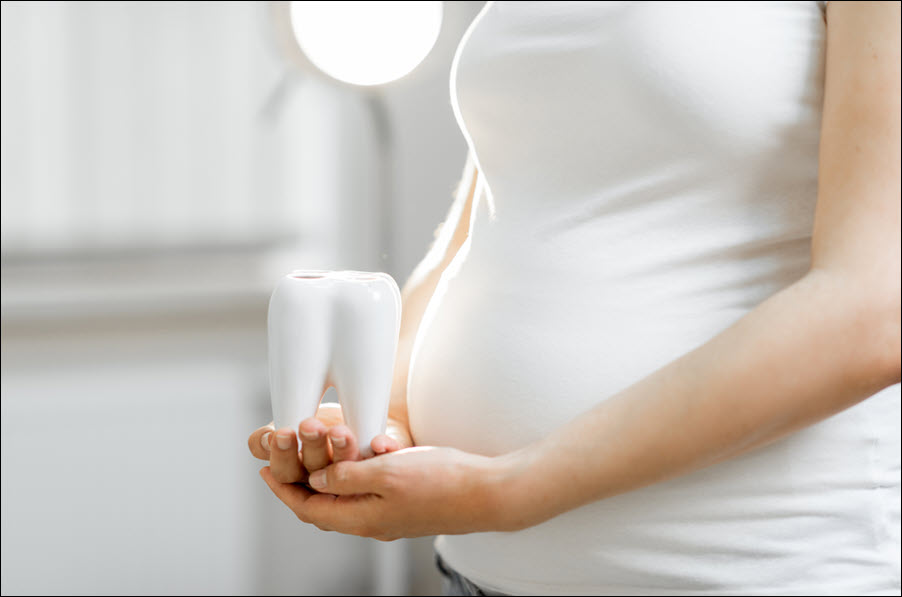 Dental care remains safe and important during pregnancy. Routine exams and cleanings help prevent issues and keep your mouth healthy.
The second trimester is often the best time for non-urgent procedures, as it is typically the most comfortable period. Always inform your dentist that you are pregnant so they can adjust care as needed.
X-rays can be taken when necessary with proper shielding, but dentists usually postpone non-essential imaging until after pregnancy.
Daily Oral Hygiene Tips for Expecting Mothers
Maintain a strong daily routine to protect your teeth and gums. Brush twice a day with fluoride toothpaste and use a soft-bristled toothbrush to avoid irritation.
Floss daily to remove plaque between teeth and along the gumline. This step is especially important to prevent gingivitis.
If you experience morning sickness, rinse your mouth with water or a fluoride rinse after vomiting. Avoid brushing immediately, as enamel may be temporarily weakened.
Stay hydrated to support saliva production, which helps protect your teeth naturally.
Nutrition and Its Impact on Oral Health
A balanced diet supports both your baby’s development and your oral health. Foods rich in calcium, vitamin D, and phosphorus help strengthen teeth and bones.
Limit sugary snacks and drinks, which can increase the risk of cavities. Choose healthy options like fruits, vegetables, dairy, and lean proteins.
Frequent snacking is common during pregnancy, so be mindful of your choices and maintain proper oral hygiene.
Watch for Warning Signs
Pay attention to symptoms like persistent gum bleeding, swelling, or pain. These may indicate gum disease or other issues that require professional care.
Early treatment helps prevent complications and keeps your oral health on track.
Maintain a Healthy Smile During Pregnancy
Dental care during pregnancy is essential for both you and your baby. With regular dental visits, strong daily habits, and proper nutrition, you can protect your smile and enjoy a healthy pregnancy.