
Sugar is one of the biggest threats to oral health. While sweet foods and drinks are popular, their effects on teeth are harmful and long-lasting. Understanding how sugar contributes to decay and disease empowers patients to make smarter dietary choices. Moderation and preventive care protect smiles from sugar’s damaging effects.
The Role in Tooth Decay
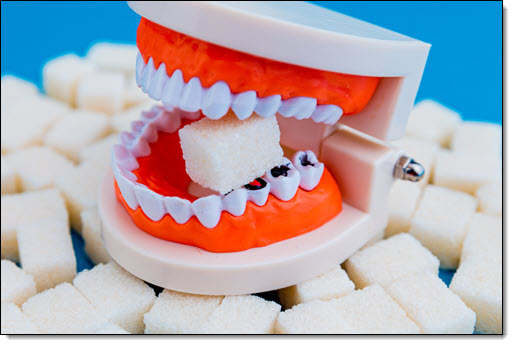 When sugar is consumed, bacteria in the mouth feed on it, producing acids. These acids erode enamel, creating cavities over time. Frequent intake prolongs acid attacks, increasing damage. Sticky candies and sodas are especially harmful, as they linger on teeth and fuel bacterial growth. Patients who consume sugary items throughout the day face the greatest risk.
Hidden Sources
Many processed foods contain hidden sugars. Breakfast cereals, flavored yogurts, and sauces often have high sugar content. Even seemingly healthy drinks like fruit juices may contribute to decay. Reading labels and choosing low-sugar alternatives reduce risks significantly. Awareness is the first step toward better choices.
Reducing Sugar’s Impact
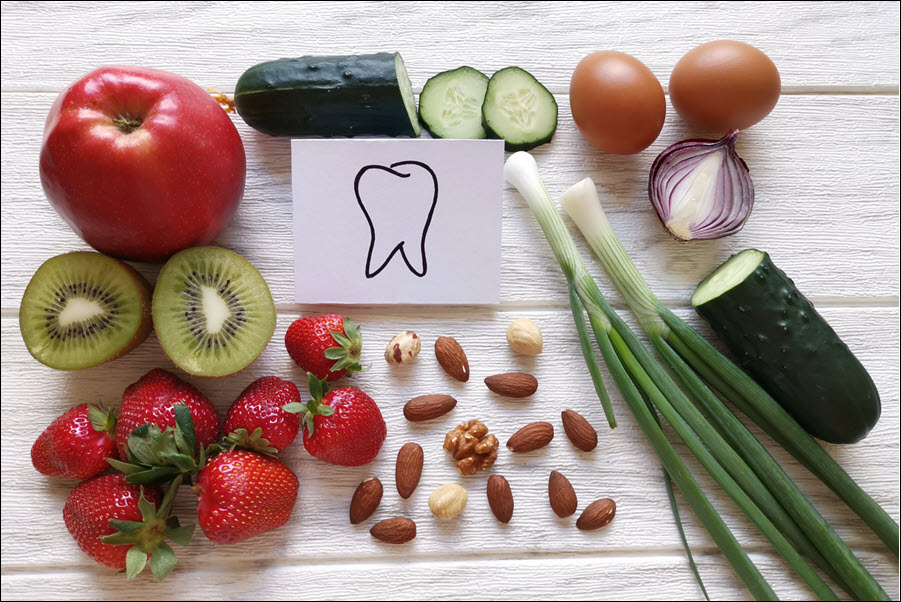
Patients can protect teeth by limiting sugary foods and rinsing with water afterward. Brushing twice daily and flossing prevent sugar-related plaque buildup. Chewing sugar-free gum stimulates saliva, which neutralizes acids naturally. Choosing fresh fruits, whole grains, and water instead of sugary snacks lowers risks while improving overall health.
Professional Support
Regular dental cleanings remove plaque and tartar that form from sugar exposure. Dentists also apply fluoride treatments to strengthen enamel against acid attacks. Patients who discuss diet with their dentist receive tailored advice for managing intake while maintaining oral health.
Sugar is a leading cause of cavities and gum disease, but its impact can be reduced. With mindful eating, strong hygiene, and professional care, patients protect their teeth while still enjoying occasional treats.