
Healthy teeth and gums depend on what you do every day. While regular dental examinations and professional cleanings are essential, a consistent home oral hygiene routine is just as important. Brushing, flossing and rinsing can work together to remove plaque, reduce your risk of cavities, and help keep your gums healthy.
At Premier Dental of Gettysburg, we encourage patients to develop simple daily habits that can help protect their smiles between dental visits.
Why Is Brushing So Important?
 Plaque is a sticky film containing bacteria that continuously forms on your teeth. If it is not regularly removed, plaque can contribute to tooth decay and gum disease.
Brush your teeth twice a day for approximately two minutes using fluoride toothpaste and a soft-bristled toothbrush.
Clean the front, back, and chewing surfaces of every tooth. Angle the toothbrush slightly toward the gumline, where plaque commonly accumulates.
Avoid brushing too aggressively. Using excessive pressure can irritate your gums and contribute to enamel wear. Gentle, thorough brushing is more effective.
Remember to replace your toothbrush or electric toothbrush head every three to four months, or sooner when the bristles become worn.
Why Do You Still Need to Floss?
Even excellent brushing cannot effectively clean every surface of your teeth. Toothbrush bristles have difficulty reaching the tight spaces between teeth where plaque and food particles can collect.
Floss at least once a day. Gently guide the floss between your teeth and curve it around the side of each tooth, cleaning slightly below the gumline.
If traditional dental floss is difficult to use, other options include floss holders, interdental brushes, or water flossers. Your dental team can help you choose a method that works well for you.
The most important goal is to clean between your teeth every day.
Should You Use Mouthwash?
Mouthwash can be a helpful addition to your oral hygiene routine, but it does not replace brushing and flossing.
Different rinses are designed for different purposes. Some contain fluoride to provide additional cavity protection, while certain therapeutic rinses may help control plaque, gingivitis, or other oral health concerns.
Your dentist can recommend a mouthwash based on your individual needs.
Always follow the product directions. Children should only use mouth rinses when they are old enough to rinse and spit reliably and when the product is appropriate for their age.
What Else Can You Do to Protect Your Teeth?
Good oral health involves more than brushing, flossing and rinsing. Your everyday food and beverage choices also matter.
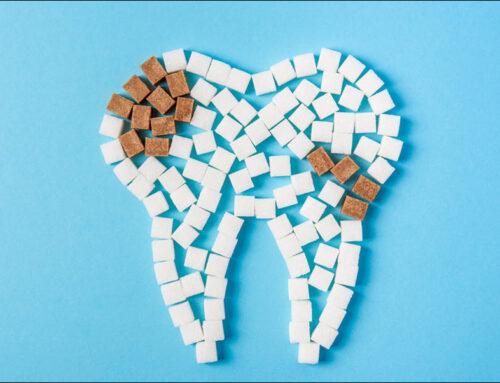
Limit frequent sugary snacks, sodas, and sweetened drinks. Bacteria use sugars to produce acids that attack tooth enamel and contribute to cavities.
Drink plenty of water and choose a balanced diet with nutrient-rich foods.
Avoid tobacco products, and never use your teeth to open packages or bite hard objects.
Don’t Skip Professional Dental Care
Even a thorough home routine cannot remove tartar once plaque has hardened on your teeth. Professional dental cleanings are needed to remove these deposits.
Routine dental examinations also allow your dentist to identify cavities, gum disease, damaged restorations, and other problems before you may notice symptoms.
Build a Better Daily Dental Routine
A healthy smile does not require a complicated routine. Consistency is what matters. Brush twice a day, clean between your teeth daily, and use an appropriate mouth rinse when recommended.
Premier Dental of Gettysburg provides preventive and comprehensive dental care to help patients maintain healthy teeth and gums. Combine good brushing, flossing and rinsing habits with regular dental examinations and professional cleanings to give your smile the protection it deserves.