Missing a permanent tooth can affect much more than the appearance of your smile. Tooth loss may make chewing more difficult, affect your speech, and allow surrounding teeth to gradually move out of position. Dental bridges provide a reliable option for replacing missing teeth and restoring a complete, functional smile.
At Premier Dental of Gettysburg, we help patients considering dental bridges in Gettysburg, PA understand their options and choose a tooth replacement solution based on their individual needs.
What Is a Dental Bridge?
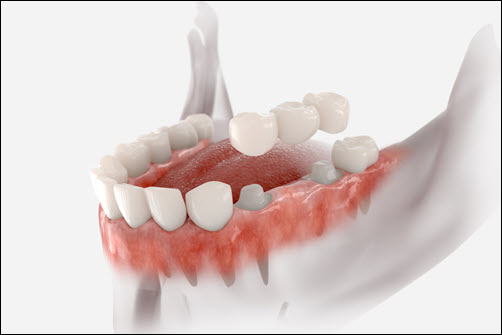 A dental bridge is a fixed restoration designed to replace one or more missing teeth. Unlike a removable partial denture, a fixed dental bridge remains securely in your mouth.
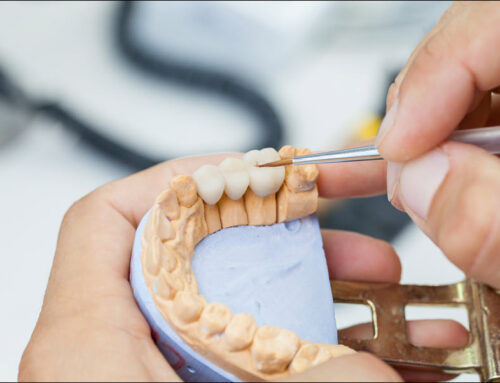
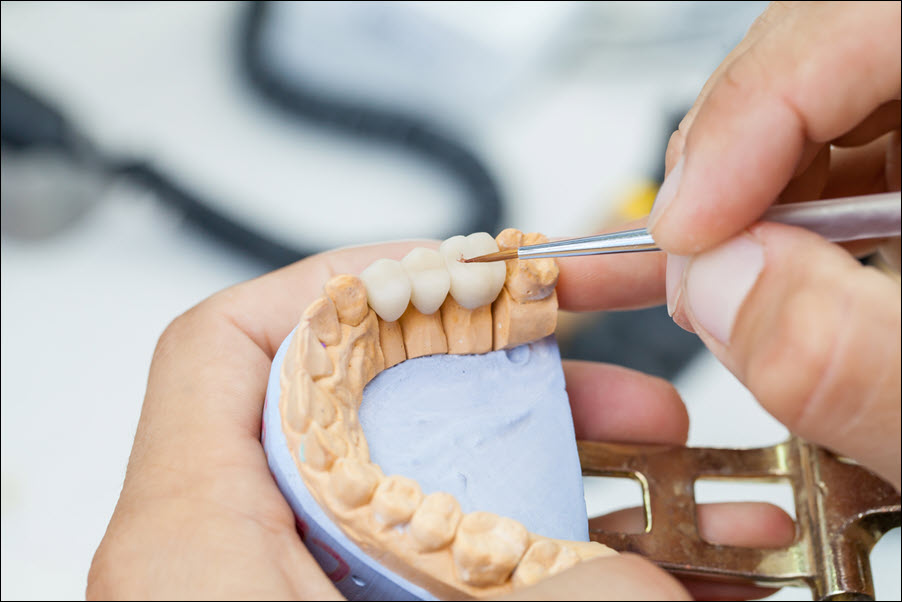
A traditional bridge typically consists of an artificial replacement tooth, called a pontic, supported by dental crowns placed over the natural teeth on each side of the open space.
Other types of dental bridges may also be available. Your dentist can recommend the appropriate design based on the location of the missing tooth, condition of surrounding teeth, and your bite.
What Are the Benefits of Dental Bridges?
Replacing missing teeth can provide both functional and cosmetic benefits. Depending on your situation, a dental bridge may help:
- Restore the appearance of your smile
- Improve your ability to bite and chew
- Improve speech affected by missing teeth
- Maintain the position of neighboring teeth
- Distribute biting forces more evenly
- Provide a fixed alternative to a removable appliance
Modern dental materials also allow bridges to be designed to blend naturally with surrounding teeth.
Why Is Replacing a Missing Tooth Important?
When a permanent tooth is lost, the remaining teeth can begin to move. Teeth next to the open space may gradually tilt or shift toward the gap.
These changes can affect your bite and potentially create areas that are more difficult to clean. Replacing a missing tooth can help maintain dental alignment while restoring normal chewing function.
Your dentist can evaluate the open space and recommend whether a bridge or another tooth replacement option is appropriate.
What Happens When You Get a Dental Bridge?
Treatment begins with a dental examination. Your dentist evaluates the missing tooth area, supporting teeth, gums, and bite.
For a traditional dental bridge, the teeth next to the gap are prepared for crowns. Impressions or digital scans are then taken so the bridge can be customized for your mouth.
A temporary restoration may be placed while your final bridge is being created.
Once the permanent bridge is ready, your dentist checks its fit, appearance, and bite before securely placing the restoration.
How Do You Care for a Dental Bridge?
Good oral hygiene is especially important for protecting the teeth that support your bridge.
Brush twice daily with fluoride toothpaste and clean around the bridge every day. Because the replacement tooth is connected to the supporting crowns, special cleaning techniques may be necessary underneath it.
Floss threaders, interdental brushes, or other cleaning tools can help remove plaque and food particles. Your dental team can show you how to clean your specific restoration effectively.
Regular dental examinations and professional cleanings are also important for maintaining your bridge and surrounding teeth.
Dental Bridges in Gettysburg, PA
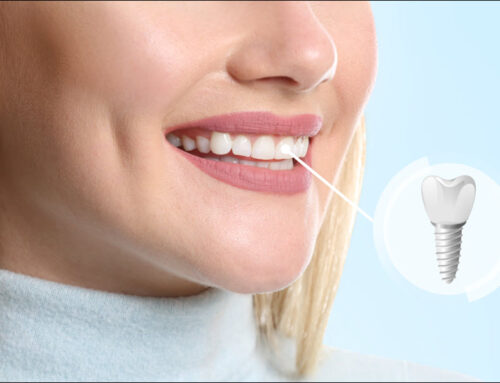
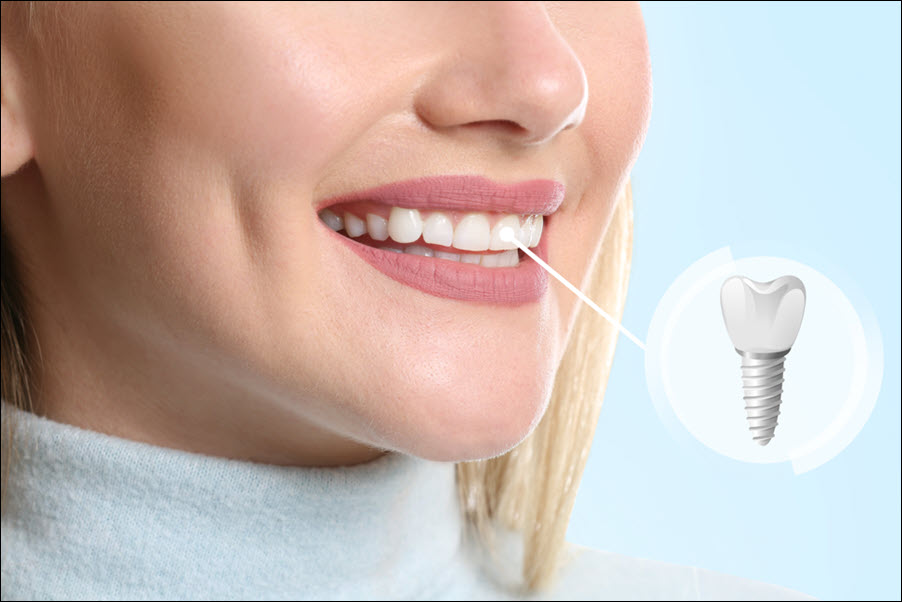
Dental bridges are one of several options for replacing missing teeth. Depending on your oral health and preferences, dental implants or removable partial dentures may also be considered.
Premier Dental of Gettysburg provides dental bridges and comprehensive restorative dental care for patients in Gettysburg and surrounding communities. If you are missing one or more teeth, contact our office to schedule an evaluation and discuss the tooth replacement option that may be best for your smile.